Easy Chocolate Chip Cookies
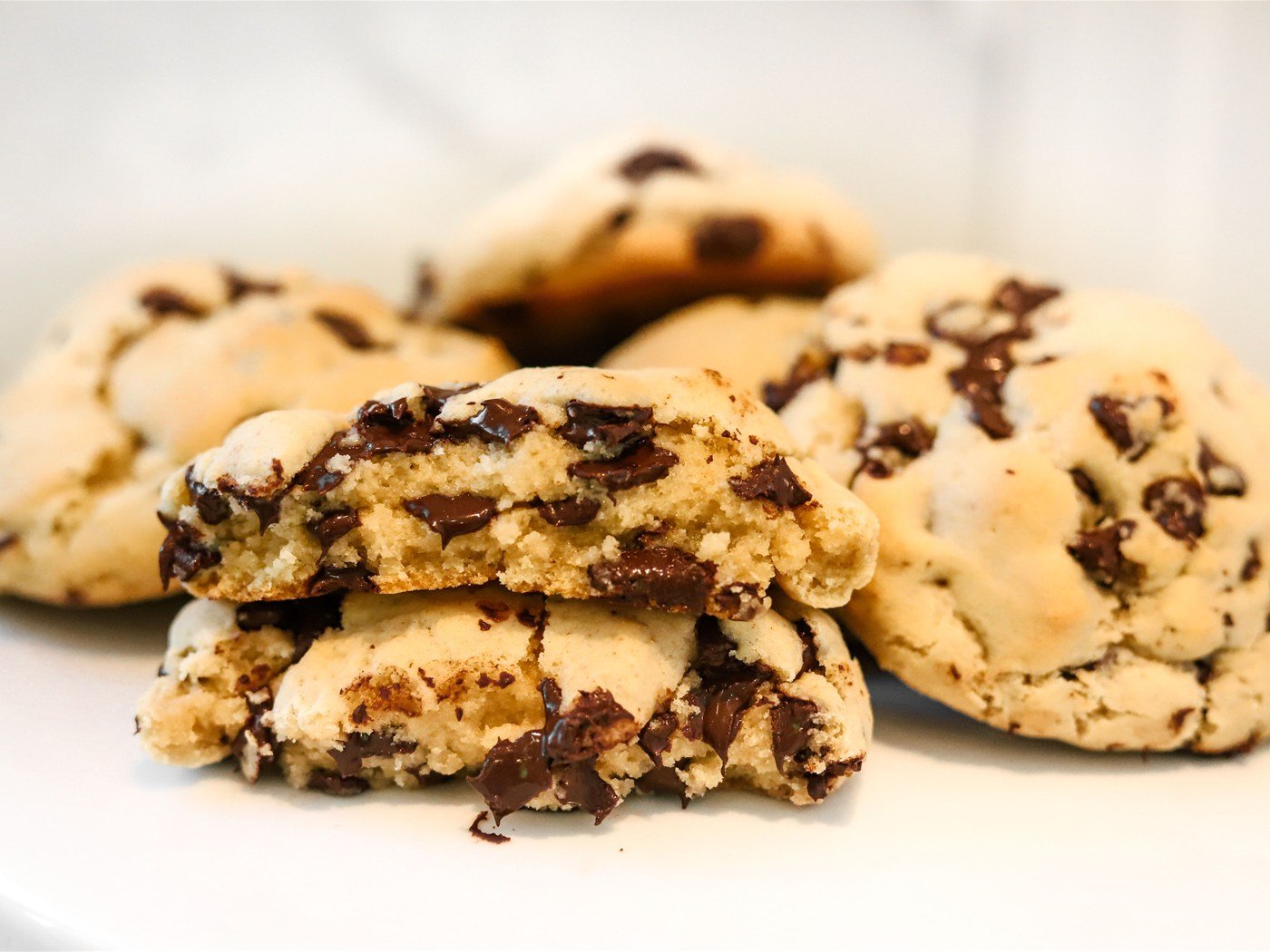
These easy chocolate chip cookies make a small batch of about 12 cookies—enough to share without leaving a large batch on the counter. The dough uses familiar ingredients and needs no chilling, although chilling is an option if you want to prepare it ahead.
Allow about 40–45 minutes from mixing through the final tray rest when baking in two batches. Each tray takes about 10–12 minutes in the oven. A sufficiently large baking sheet may hold all 12 cookies in one batch and bring the estimated total closer to 32 minutes. Actual timing depends on your oven, tray size, and whether the oven is fully preheated.
Easy Chocolate Chip Cookies
Ingredients
Method
- Preheat the oven to 350°F (175°C) conventional, or about 160°C fan. Place a rack in the center and line a large baking sheet with parchment paper.
- In a medium bowl, whisk together the flour, baking soda, and salt.
- In a separate bowl, beat the softened butter, light brown sugar, and granulated sugar until creamy, about 1–2 minutes.
- Add the egg and vanilla extract. Mix until combined and scrape the sides of the bowl.
- Add the dry ingredients and mix just until no dry flour remains. Fold in the chocolate chips or chopped chocolate.
- Divide the dough into 12 portions of about 45 g each. Arrange them about 2 inches (5 cm) apart on the baking sheet. Bake in two batches if necessary, allowing a reused baking sheet to cool first.
- Bake each batch for about 10–12 minutes, until the edges are set and lightly golden and the centers are soft but not visibly raw. Rest each batch on its baking sheet for 5 minutes, then transfer the cookies to a wire rack to cool.
Notes
Why This Recipe Works
A mix of brown and granulated sugar gives the cookies a balance of soft, chewy centers and lightly crisp edges. Measuring the flour carefully helps prevent a dry, crumbly dough, while leaving space between the dough portions allows the cookies to spread as they bake.
Ingredients
- Unsalted butter: Softened butter blends evenly with the sugars. If using salted butter, omit the added salt.
- Light brown sugar: Pack it into the measuring cup before weighing.
- Granulated sugar: Adds sweetness and helps the edges brown.
- Egg: One large egg binds the dough.
- Vanilla extract: Adds aroma and flavor.
- All-purpose flour: In Europe, plain flour is a suitable equivalent. Spoon it into the measuring cup and level it; scooping directly from the bag can pack in too much.
- Baking soda: Use one-half level teaspoon. Its weight is approximate because small volume-to-weight conversions vary.
- Fine salt: The weight varies with salt grain size and brand.
- Semisweet chocolate chips or chopped chocolate: Either works. Chopped chocolate makes more irregular pools; chips hold their shape.
How to Make Easy Chocolate Chip Cookies
- Heat the oven. Set a rack in the middle and preheat the oven to 350°F (175°C) conventional heat. Some ovens use 180°C as the nearest setting; for a fan oven, use about 160°C. Line a large baking sheet with parchment. If you have a smaller sheet, plan to bake in two batches.
- Combine the dry ingredients. In a medium bowl, whisk together the flour, baking soda, and salt.
- Mix the butter and sugars. In a separate bowl, stir or beat the softened butter with the brown and granulated sugars until evenly combined and creamy, about 1–2 minutes. The butter should be soft but not melted.
- Add the egg and vanilla. Mix in the egg and vanilla until smooth. Scrape the sides of the bowl if needed.
- Finish the dough. Add the dry ingredients and mix just until no dry flour remains. Fold in the chocolate chips or chopped chocolate. The dough should be soft and scoopable, not pourable.
- Portion the cookies. Divide the dough into 12 portions of about 45 g each. Place them on the baking sheet with roughly 2 inches (5 cm) between portions. If using a smaller sheet, allow the baking sheet to cool before reusing it.
- Bake and cool. Bake one tray at a time for about 10–12 minutes. The edges should look set and lightly golden; the centers may still look soft, but should not look wet or raw. Remove the tray and let the cookies rest on it for 5 minutes, then move them to a rack to cool. Bake the next tray and give it the same rest.
Practical Tips
- Measure flour lightly. Spoon flour into a dry measuring cup and level the top, or weigh 150 g. Too much flour can make the dough stiff and the cookies dry.
- Use softened, not melted, butter. If the butter is shiny or greasy, the dough may spread more than expected.
- Keep the portions similar in size. This helps the cookies bake at a similar rate.
- Leave room to spread. If a tray is too crowded, bake in batches rather than pushing the cookies close together.
- Use visual cues as well as the timer. Tray material, oven calibration, and cookie size affect baking. Start checking at 10 minutes.
- Chill only if useful. Chilling is optional and is not included in the timing. It can make the dough firmer and may reduce spreading, but it adds time and can change the finished texture.
Serving Suggestions
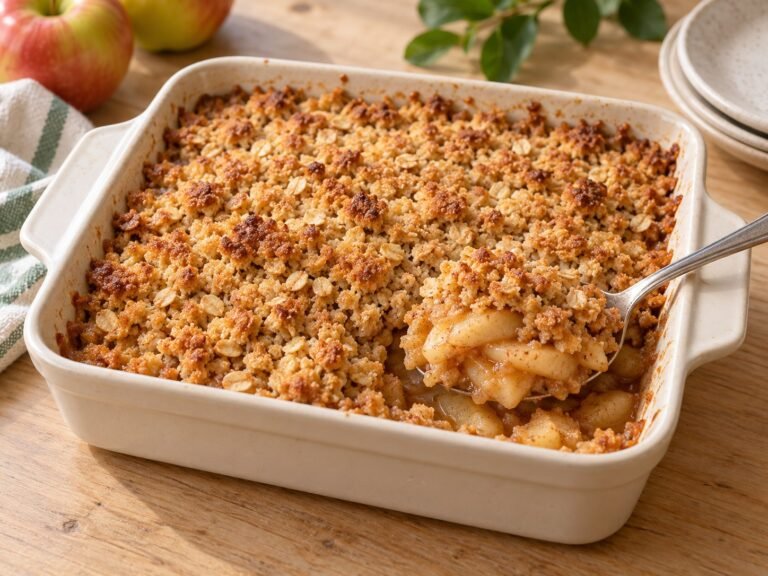
Serve the cookies warm after their brief tray rest or let them cool completely for a firmer bite. They pair well with milk, coffee, or tea. For another easy homemade dessert, try Easy Apple Crumble.
Storage and Freezing
Store cooled cookies in an airtight container at room temperature and enjoy within about 3 days for the best texture. Freeze baked cookies in a sealed freezer-safe container for up to about 2 months; thaw at room temperature.
You can also freeze portioned dough balls on a tray, then transfer them to a sealed freezer-safe bag or container. Bake from frozen, allowing extra time and checking for the same visual doneness cues. The exact extra time depends on portion size and oven.
Frequently Asked Questions
Can I use a different kind of chocolate?
Yes. Semisweet chips are the straightforward choice, but chopped semisweet or dark chocolate can also be used. Keep the total amount close to the listed quantity.
Do I have to chill the dough?
No. Chilling is optional. Bake the dough after mixing for the timing given, or chill it if preparing ahead. Chilled dough may need a few minutes at room temperature before portioning if it becomes firm.
Why did my cookies spread too much?
Butter that was melted or very warm, a warm baking sheet, or too little flour can make cookies spread more. Let a hot tray cool before adding another batch, and measure the flour carefully.
How do I know when the cookies are done?
Look for set, lightly golden edges and centers that are soft but no longer wet-looking. They continue to set during the 5-minute rest on the hot tray.
Can I taste the dough before baking?
No. Do not eat raw cookie dough: raw flour and raw egg can carry harmful germs. Wash hands and utensils after handling the dough, and bake the cookies before eating.